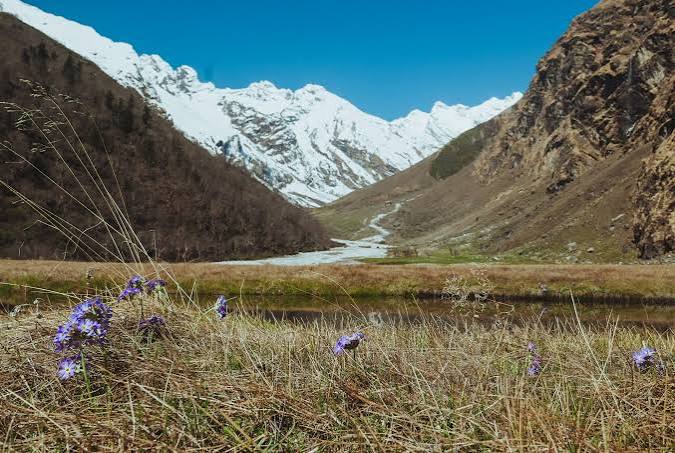
There are many trekking routes throughout Nepal the best of the natural beauty of Nepal is reserved in the far western region. The far western region has the best virgin trekking routes including the Api Himal Base camp trek.
Mt Apil is located in northwest Nepal, the farthest end of the corner. This 7,132m peak is the highest in the Far-Western of Nepal and is protected under the Api Nampa Conservation Area. This Api conservation area is spread over 1,903 sq. km on Dharchula and homes animals such as clouded/ snow leopards, musk deer Himalayan black bears, and more, making your Api Himal trek exciting.
Api Nampa Conservation Area (ANCA) is renowned for its rich biodiversity, outstandingly beautiful natural landscape and rich cultural heritage. It is the home to 25 species of mammal, including Snow leopard and more than 243 bird species including Chukar partridge. ANCA is also known for its high quality Yarsagumba
Dominated by the towering Api peak, this region features lush forests, alpine meadows, and unique wildlife that contribute to its ecological importance. Mt.
Api (7,132m) is the highest peak in Sudurpashchim Province, located in the Yoka Pahar sub-section. The area is home to numerous cliffs, rocky formations, caves, and high passes. It also features several beautiful patan alpine meadows.
2 Major cultural groups/stocks: Culturally, it is the home to the minority ethnic groups such as Sauka and Maldeshi ethnic groups, some of the reminiscence of the ancient Khasha people; Byansi (Sauka) of Tibeto-Burman linguistic stock and the Khasha community, composed of Chhetri, Brahmin, and Dalit groups from the Dotel-speaking Indo-Aryan background.
A 15-day trek in one of the most beautiful trekking routes is the ultimate spot in Nepal. It’s going to completely change your perception of life and money. Upon completion of the Api Himal trekking trail, a stronger and more confident version of yourself emerges in Nepal.
Highlights
Witness breathtaking panoramas of Api Himal (7132 m), Nampa (6,757 m), and Saipal (7,031 m), among other majestic peaks in the Far-Western Nepal
Explore the sacred Kalidhunga Lake, a glacial gem surrounded by rugged mountain landscape
Trek through some of the most untouched landscapes in Nepal, that includes cascading waterfalls and glacial rivers
Trek to the Chameliya River Cradle— the main river of Far-west that flows till Darchula
Trek on rugged and varied terrain with moderate to challenging days of trekking— a true adventure for experienced trekkers
Experience the unique far-western culture and ways of life with the Bohara, and Byash community preserved since centuries
Visit Ringdepani Lake— a glacial lake that resembles the shape of the Nepalese flag
Itinerary (16D, 15N)
Arrival in Tribhuvan International Airport in Kathmandu, the capital city of Nepal. You will be received by one of our representatives upon your arrival and then transferred to your hotel. Check into the hotel and take your time and rest or explore the happening streets of Thamel yourself. Thamel is full of energy: lots of shops and traditional Nepali restaurants-just think of it. This day is for preparation and relaxing, thus getting ready for the actual adventure.
Before starting your trekking journey, we have set aside a day in Kathmandu to help you learn about the unique art, culture, and architecture of Nepal. You will be guided to the UNESCO-listed heritage sites in Kathmandu. First, you will be escorted to Kathmandu Durbar Square, where you can visit the museum, palace, its premises, and the temples built around it. Next, you will be escorted to the monkey temple – Swayambhunath. We walk up the stairs to the stupa. From the height, we can get an excellent view of Kathmandu city. Then, we visit a popular Hindu temple – Pashupatinath temple and head towards the largest stupa in the world – Boudhanath stupa. In the evening, we return to our hotel for an overnight stay
After an early breakfast, board a 1.5-hour flight to Dhangadi, the gateway to Nepal's far-western region. Enjoy spectacular aerial views of Nepal’s diverse terrain, from the lush Terai plains to distant snow-capped peaks. Upon landing, take a short 30-minute drive to Attariya, t's a long drive today with lots of scenery as you reach deeper into Nepal's remote hills. The drive will take 7–8 hours and will pass through picturesque countryside with small towns, terracing, and rivers that wind through the valleys. The plains of Terai end, and one will go into rolling hills and lush green forests. Gokuleshwor is a developed town and an entrance for trekkers and is popular because of its eco-friendly environment
After breakfast, drive 4.5 hours to Makarigadh, which is the starting point of your trek. The road follows a serpentine course through hills and valleys with occasional glimpses of traditional villages and virgin landscapes. This day will be the last vehicle journey before you actually begin the trek. It's an opportunity for your mind and psyche to prepare for the ultimate adventure. Overnight at Makarigadh in the evening calmness.
I
The actual trek starts today! The path leading from Makarigadh to Ghunsa is graded as moderate, containing gentle ascents and forest paths. You will be crossing small streams and villages where people go about their daily farming activities. This 5-6-hour trek gives you an introduction to the natural beauty and remote lifestyle of the region. Ghunsa is a small settlement with greenery all around-you rest here for the night.
This day is relatively harder, as it is an ascend in forests and rugged trails. Today's journey is around 7 hours and passes via Khaikot, which is a very beautiful village, with traditional houses and terraced fields. It's a good view for surrounding hills, so take a short break here. From here, you continue the trek to Simar, which is a quiet place where you shall stay overnight.
The trek from Simar to Dhauli Odar is comparatively short, as it takes around 4 hours, but is a continuous climb upwards. The trail would take you through thick forests and rocky grounds; occasionally, clearings would afford you breathtaking views of the valleys beneath. Dhauli Odar happens to be at a secluded spot with towering cliffs all around and presents a picturesque and quiet restive spot.
This is the major highlight of your journey! Begin your trek to API Base Camp, which lies at the foot of the majestic API Himal. The trail is short (around 2 hours), but is steep and requires careful climb. As you ascend the surrounding peaks like Nampa Himal, Jethi Bahurani begin to reveal themselves. Upon reaching the base camp, you will be rewarded with the beautiful API Himal along with Saipal, Nampa (Kaiyaor, Bobaye Himal and so on.
After a short rest, continue your adventure with a 2 hour hike to Kalidhunga Lake, a sacred alpine lake that holds deep cultural significance for the locals. This crystal clear lake reflects the towering peaks creating an amazing canvas. Spend some time around the lake and return back to base camp for the night.
This day is dedicated to exploring the natural wonders around API Base Camp. Trek along the ridges to reach the Chameliya River Cradle, where the river flows through lush valleys, creating a dramatic contrast to the rugged mountains. From here, head to Ringdepani Lake, another breathtaking spot surrounded by pristine landscapes. Capture the unique shape of the lake that resembles the flag of Nepal—two triangles. The trek involves a mix of easy walks and moderate climbs, offering a balance of relaxation and adventure.
Return to Dhauli Odar, retracing your steps through the enchanting alpine terrain, and spend the night there.
Begin the descent with a 6-hour trek to Khayekot, following the same trails through dense forests and past terraced fields. The downhill journey is easier on the legs, but you'll need to stay steady on rocky paths. You will pass by some remote villages once again and get an opportunity to interact with the locals and learn about their daily lives. The warmth of their hospitality will stay with you as a cherished memory.
This trek from Khayekot to Ghusa via Siti will take about 7 hours. Gradual ascents, steep descents along the trail provide various topographies to pass through. Along this route, there is a small hamlet called Siti, where one gets to see the traditional agriculture and undisturbed life styles of native people which have remained unchanged since centuries. While approaching Ghunsa, the rolling hills and cascading streams make it a truly unforgettable journey.
The trek to Khandeswari takes around 5 hours and is relatively easy. The trail meanders through verdant forests, home to a variety of birds and small wildlife. The sound of rustling leaves and chirping birds accompanies you, making this leg of the journey peaceful and relaxing. Upon reaching Khandeshwari, you’ll have time to rest and enjoy the simplicity of village life.
Your last day of trekking starts with a 3-hour hike to Makarigadh, where you bid adieu to the trails that have been your home for the last few days. The trek is gentle enough in descent to let you enjoy the last moments amidst pristine wilderness.
Drive for 4 hours from Makarigadh and head back to Gokuleshwor, from where you start rejoicing on your successful trek completion. You'll have plenty of delicious meals and review this fantastic journey.
Begin the 5-hour drive back to Dhangadi from the hills, down into the Terai plains, and get a last glimpse of the stunning landscape of western Nepal. Arrive and check-in at your hotel. Take some rest.
After breakfast, take a domestic flight back to Kathmandu, repeating the aerial route from the beginning of your journey. The rest of the day can be used to further explore the capital or for souvenir shopping along the busy streets of Thamel. In the evening, enjoy a farewell dinner to mark the adventure.
you will be picked up from your hotel and transferred to the international airport for your final departure. Make sure to have your travel documents ready and arrive at the airport at least three hours before your flight. Therefore, this is the end of your trek and journey in Nepal. Safe travels, and hope to see you again.
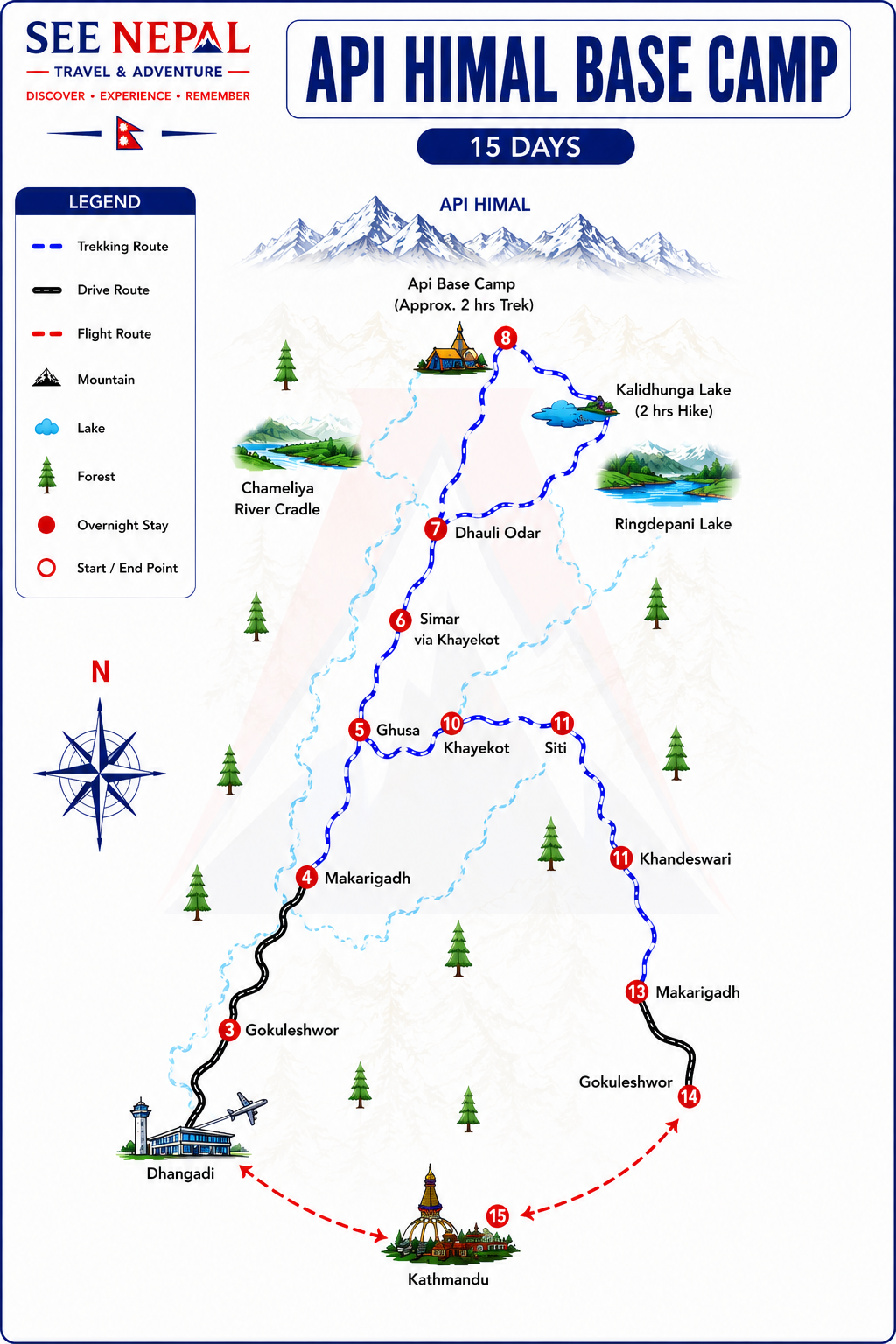
Trekking Map
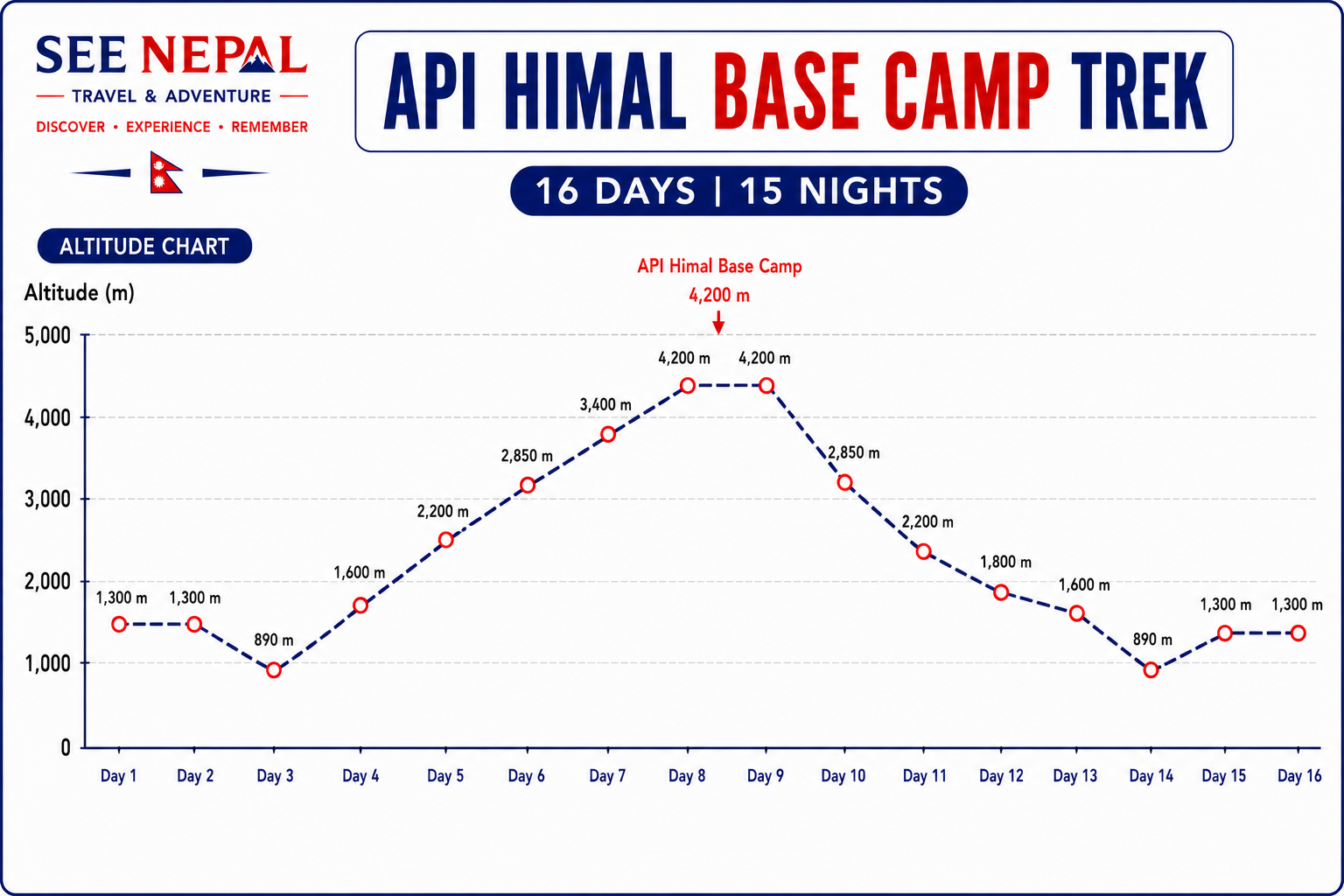
Altitude Profile
Inclusions & Exclusions
What's Included
Airport/Hotel pickups and drops in a private vehicle during arrival and departure
2x nights hotel accommodation in Kathmandu in BB plan (Kantipur Village Hotel) or similar standards
4x4 private jeep or best available transportation for Attariya-Gokuleswor-Makarigadh (Round Trip)
2x nights hotel accommodation in Dhangadhi/Attariya in BB Plan or similar standards
Best available tea house accommodations during the trekking on a double/triple sharing basis
All necessary paperwork, API Nampa Conservation Area Permit and Special Restricted Area Permit
Government Licensed “A” Grade Guide and Porter for the entire trek
All the meals during the trekking (breakfast, lunch, and dinner), 3x tea/coffee, and 1x soup per day during the trek
Fresh seasonal fruits during the entire trekking
#CarryMeBag for responsible waste collection throughout the trek
Salary, Food, Accommodation, Transportation, and Insurance for the Guides and Porters
Farewell dinner in Kathmandu in a typical Nepali restaurant with a cultural dance performance in the evening
Medical kit including first aid and emergency medicines (carried by your trek leader)
Daily medical assessment from the wilderness first aid responder guides
All government taxes and operating expenses
What's Excluded
Nepal visa fee
Personal trekking equipment and gear
Tips for guide, porter, and driver
Your travel and rescue insurance, Helicopter rescue, and other medical coverage for Nepal Travel. Learn more about the best insurance for Nepal Travel.
International flight tickets from/to Nepal
Lunch and dinner in Kathmandu, except one welcome or farewell dinner in Kathmandu
Sightseeing entrance fees in Kathmandu (Can be arranged as per request)
Hot Drinks, Mineral water, soft drinks, stiff drinks, laundry, and other personal expenses during the entire trip
Mobile charging, wifi, internet, extra foods, snacks during the entire trip in Nepal
Donations for local people, hospitals, and schools (not compulsory)
The rest of the expenses which are not mentioned in the cost includes.
Equipment List
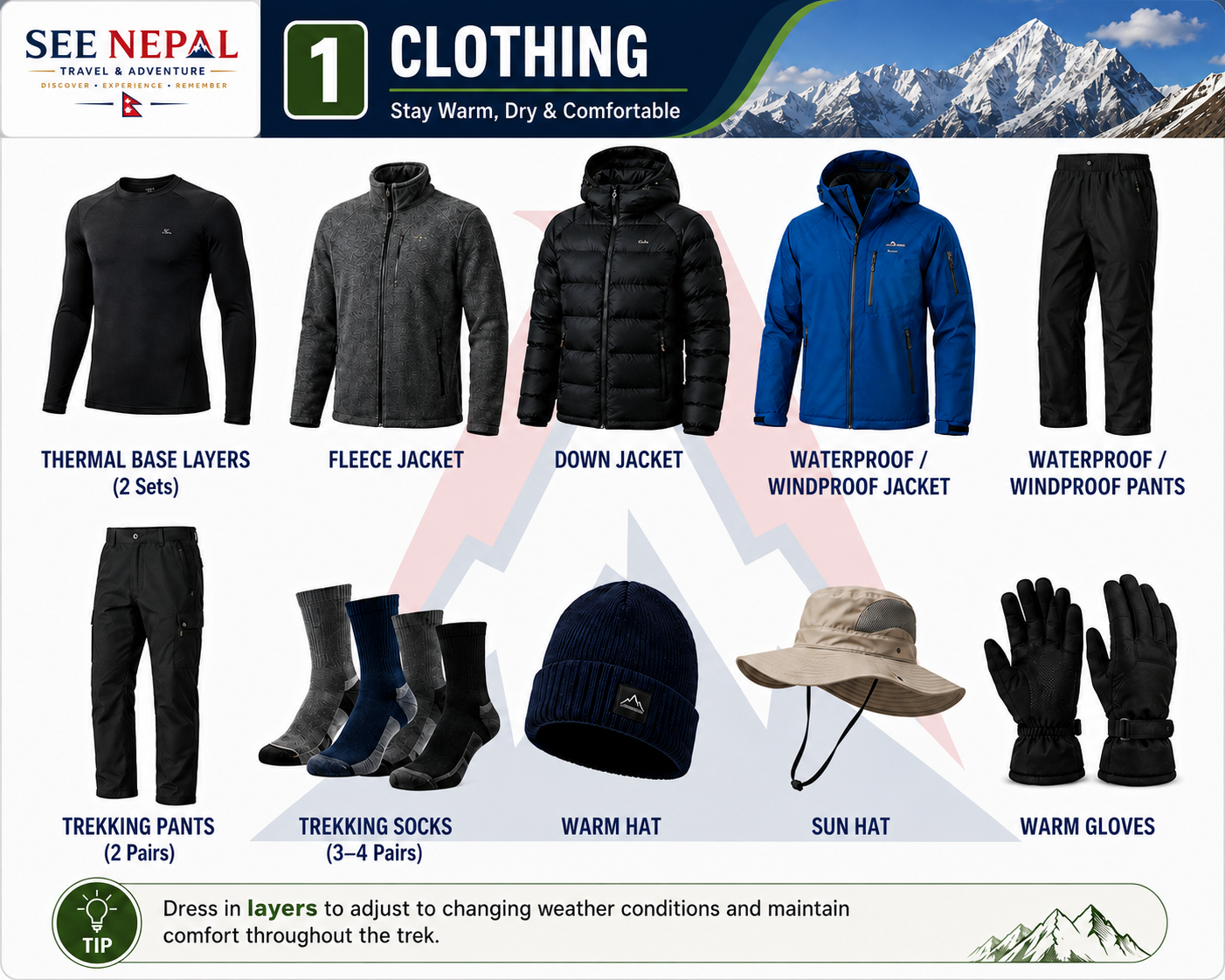
Clothing
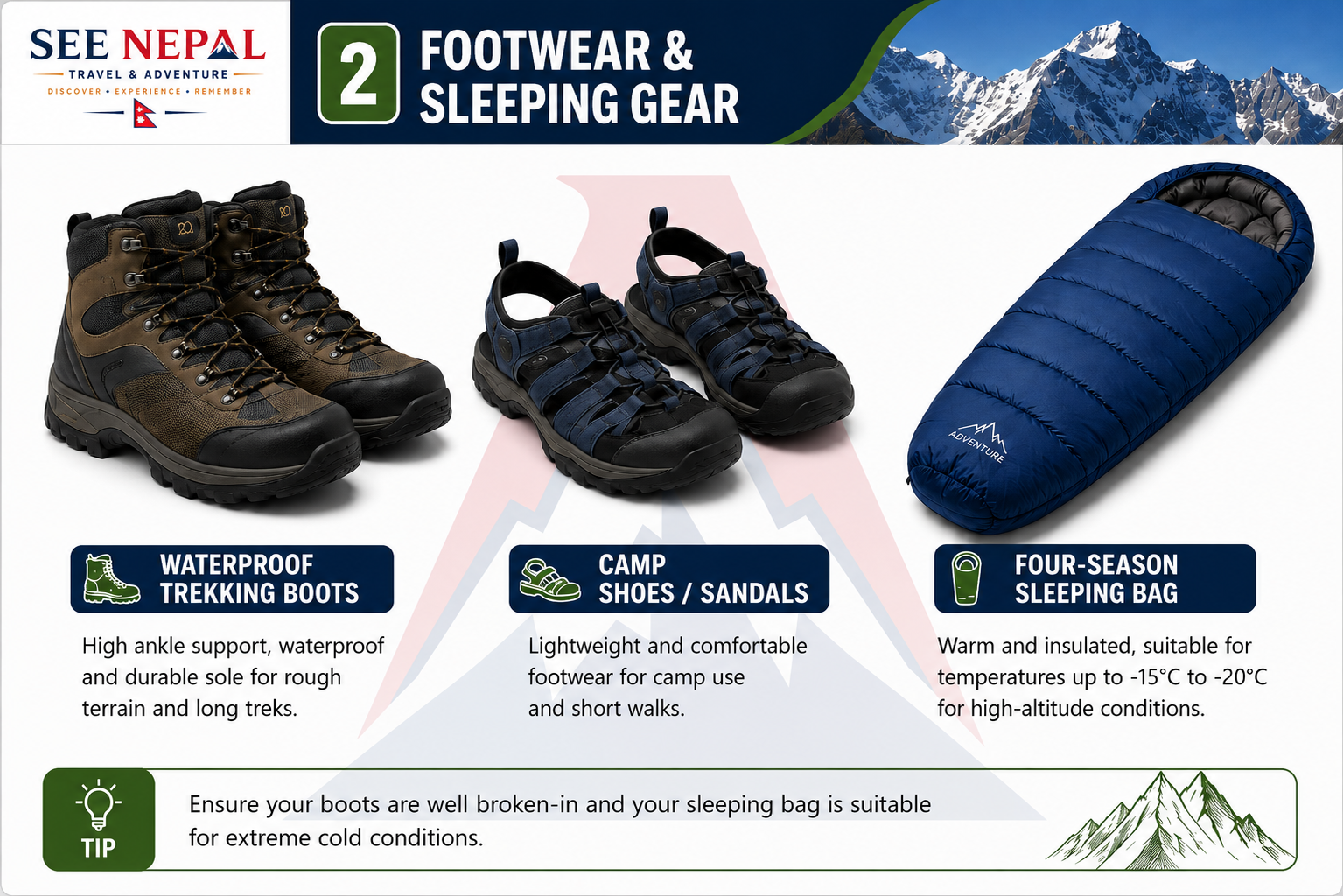
Footwear & Sleeping Gear
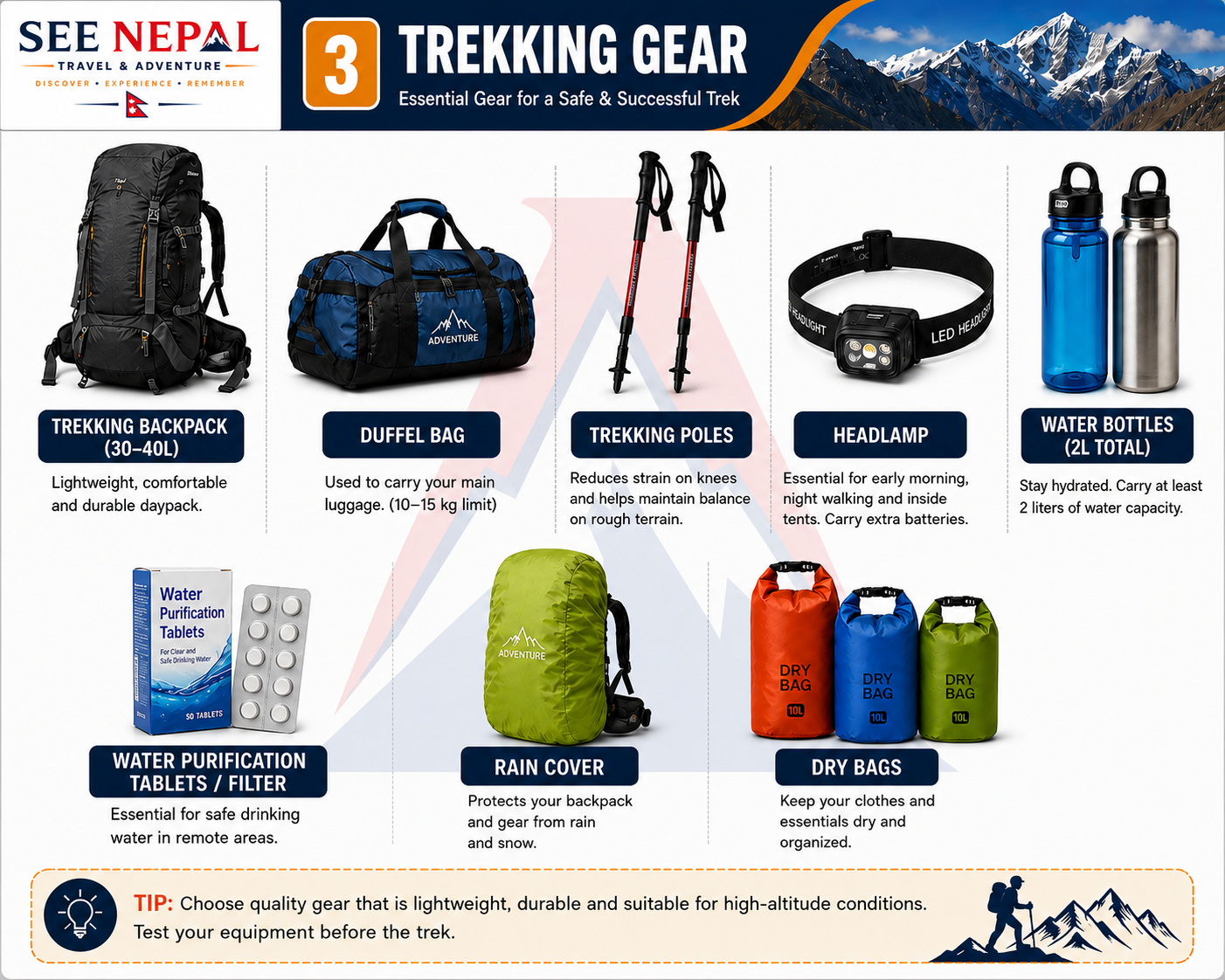
Trekking Gear
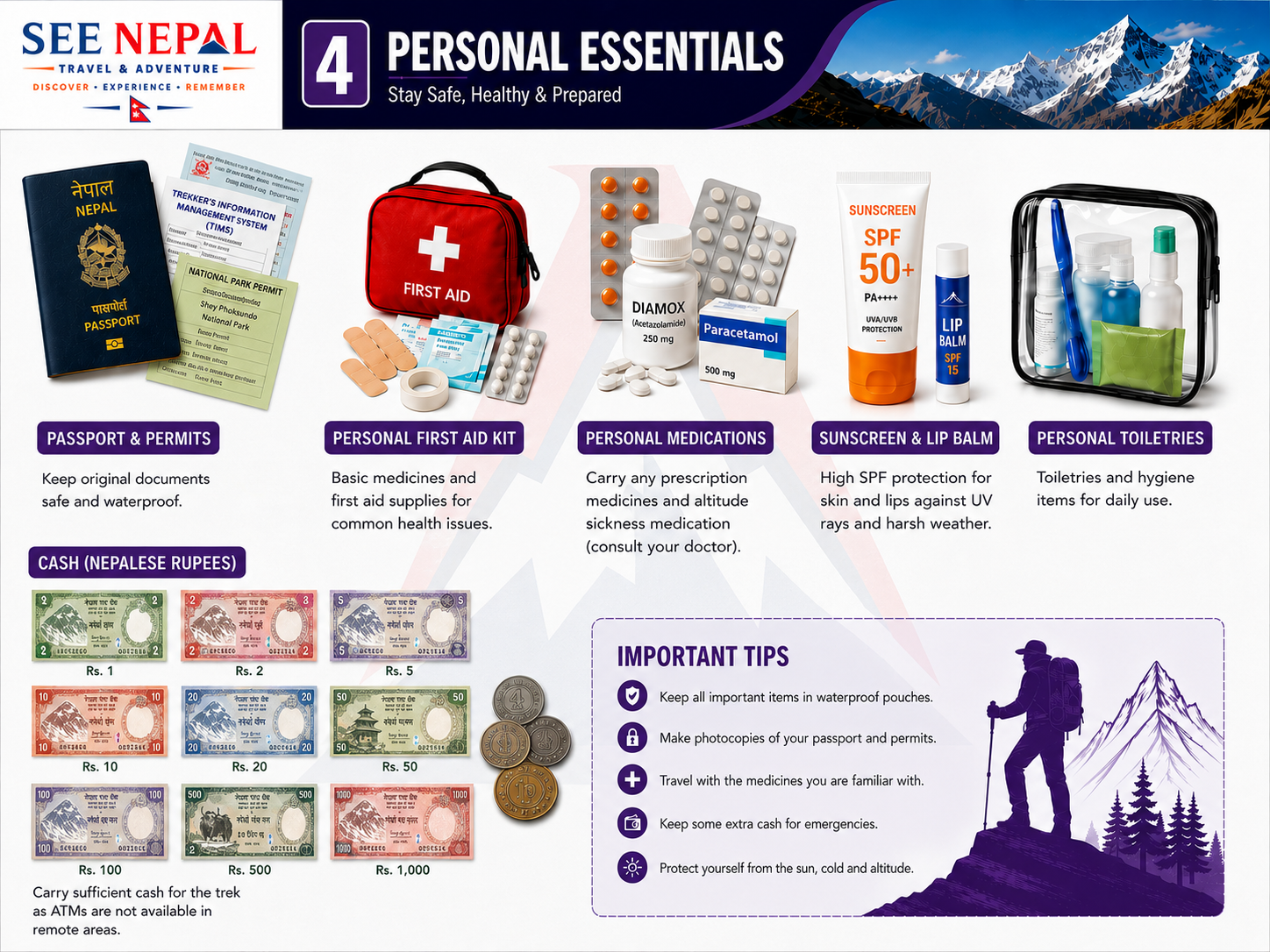
Personal Essentials
Electronics & Food
Frequently Asked Questions
API Himal is located in the far-western region of Nepal, in the Darchula District of Sudurpashchim Province. It lies near the borders of India and Tibet, making it one of the most isolated trekking destinations in Nepal. The trek provides stunning views of the Api Mountain (7,132 meters), Nampa Peak (6,757 meters), and other Himalayan ranges while offering an immersive experience in an untouched and pristine landscape.
The API Himal Base Camp Trek generally spans 15–17 days, including arrival and departure days. The core trekking days range from 10 to 12 days, depending on your pace, weather conditions, and exploration preferences. It’s a multi-day trek that combines moderate and challenging trekking segments, making it a rewarding yet adventurous journey.
To reach API Base Camp, the journey involves a mix of air travel, road travel, and trekking.
Flight: Begin with a flight from Kathmandu to Dhangadi, which takes about 1.5 hours.
Drive: From Dhangadi, drive to Attariya and onward to Gokuleshwor, passing through scenic landscapes and charming villages.
Trek: Start trekking from Makarigadh, passing through remote settlements like Ghunsa, Khayekot, and Dhauli Odar before reaching API Base Camp.
The trek offers a gradual ascent through forests, rivers, and traditional villages, making it an authentic Himalayan experience.
The trek is rated moderate to challenging. It requires long hours of trekking through rugged trails, steep ascents, and descents. The remote nature of the region adds an extra layer of difficulty, as there are no teahouses or established infrastructure. Physical fitness and previous trekking experience are highly recommended. However, the gradual ascent and rest days for acclimatization help most trekkers manage the challenges effectively.
The best times to undertake the API Base Camp Trek are:
Autumn (September to November): Clear skies, moderate temperatures, and breathtaking mountain views make this the most popular season.
Spring (March to May): This season brings blooming rhododendrons, warmer weather, and clear mornings.
Avoid trekking during the monsoon (June to August) due to heavy rainfall, muddy trails, and landslides, and in winter (December to February) as heavy snow can block trails and make the trek more dangerous.
The API Base Camp Trek stands out for its pristine beauty and remoteness. Unlike popular trekking destinations in Nepal, the trails are far less crowded, allowing you to immerse yourself in solitude and nature. Highlights include:
Stunning Views: Majestic peaks like Api Himal, Nampa Peak, and Mount Kailash.
Lakes and Rivers: Kalidhunga Lake, Chameliya River, and Ringdepani Lake.
Cultural Exploration: Traditional villages inhabited by ethnic groups like the Byansi, showcasing unique customs and lifestyles.
Untouched Nature: Dense forests, diverse flora and fauna, and the tranquil beauty of the Api Nampa Conservation Area.
The trek offers a perfect blend of adventure, culture, and raw natural beauty.
This trek is one of Nepal's most remote journeys. The area lacks modern infrastructure, with only 2 tea houses at the base camp. Villages are sparse and isolated, making the trek a pure adventure into uncharted territory. The remoteness also means fewer tourists, ensuring a serene trekking experience.
The API Base Camp Trek is ideal for adventurers seeking an off-the-beaten-path experience. With breathtaking views, rich biodiversity, and cultural immersion, it offers an unparalleled journey into Nepal’s untouched wilderness. This trek is perfect for those looking to explore beyond the popular trails and experience the raw beauty of the Himalayas.