Upper Mustang Trek, trekking into the 'Forbidden Kingdom of Mustang offers a unique opportunity to explore ancient Tibetan culture and visit remote monasteries and caves. The Upper Mustang trek is a journey into the mystical landscapes of the former Kingdom of Lo, nestled amidst the Annapurna and Dhaulagiri ranges. This restricted area trek offers a unique chance to explore ancient Tibetan-influenced culture, rugged terrain, and captivating desert-like landscapes. Beginning in Pokhara, the trek follows ancient trade routes through barren valleys, deep gorges, and towering cliffs, offering mesmerizing views.
Highlights include the fortified town of Lo Manthang-the capital of the former Kingdom of Mustang, known for its ancient palaces, monasteries, and traditional Tibetan architecture, and the legendary "Sky Caves" of Mustang, providing a glimpse into the region's rich history and cultural heritage, including monasteries, chortens, and ancient cave dwellings. With its remote location, unique culture, and stunning beauty, the Upper Mustang trek is an unforgettable adventure for trekkers seeking to explore Nepal's Himalayan hinterlands.
Witnessing the vibrant Tiji Festival-a three-day celebration of Tibetan Buddhism, featuring masked dances, rituals, and cultural performances-adds a unique cultural experience.
Highlights
Mustang’s land is not lush and green. It’s raw. It is totally different from other treks and has dry cliffs, deep canyons, and a dramatic Himalayan rain shadow terrain.
Trek in May or early June to witness the famous Tiji festival- colourful masked dances, chants, and drums echoing off ancient walls.
On the route, you can see stunning views of Nilgiri, Dhaulagiri, and Annapurna.
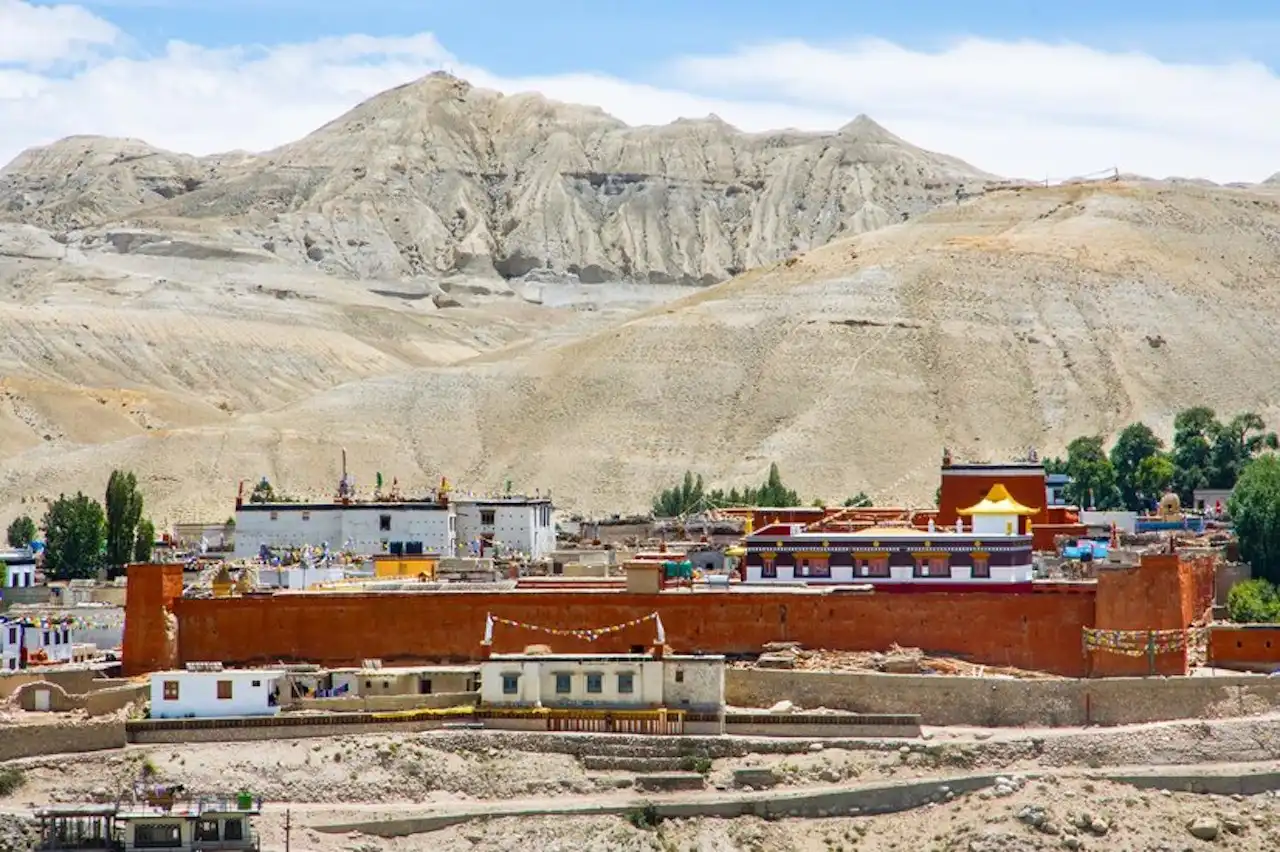
Lo Manthang, a beautiful walled city in Upper Mustang. Ancient Tibetan architecture, a royal palace, and a strong cultural heritage are everywhere.
Trek in Mustang provides peace, with fewer tourists, and more space. You’ll get to walk in silence.
Visit Muktinath temple, a sacred temple for both Hindus and Buddhists. This place somehow feels both ancient and alive.
Explore the beauty of Pokhara. Chill by lakes, explore caves, and enjoy views of the Mountains.
Itinerary (16D, 15N)
Upon your arrival at the Tribhuwan International Airport (TIA) in Kathmandu, you will be greeted by a company representative, who will drop you off at our hotel. After checking in, take a rest or visit Amazing Nepal's office. You may also stroll in the streets of Thamel, a tourist hub in Kathmandu for some souvenir shopping. In the evening, there will be a welcome dinner hosted by Amazing Nepal Trek & Expedition. For dinner, you will be served excellent Nepalese cuisine which will introduce you to the country's authentic food culture. If your flight arrives late, both the meeting and dinner can be scheduled for the following day. Overnight in Kathmandu.
After breakfast, you will set out for sightseeing of the culturally and architecturally rich heritage sites of the Valley. Places such as the Pashupatinath, the world-famous temple precinct of the Hindus, the Boudhnath and Swaymbhunath, the world-famous Buddhist stupa precinct, and Kathmandu Durbar Square will open up completely a new cultural world of Nepali art and architecture to you. You will also be taken to the Kumari Ghar, where resides the Virgin Goddess. We will also discuss the trip, and you will be introduced to your fellow trekkers and our crews.
After breakfast, around 6:30 AM, you will be transferred to the Tourist bus station and drive to Pokhara by tourist bus. This scenic drive offers fascinating glimpses of rural Nepal as you pass through Middle Hill scenery along with the famous rafting Trishuli River, originating from Tibet northeast of Kathmandu. Arrive in Pokhara by midafternoon.
After an early breakfast, take the 20-minute Trans Himalayan flight to Jomsom through the world’s deepest gorge, formed by the Kali Gandaki River that rises in Tibet. Meet your porters and trek north. Jomsom is the administrative headquarters of the Lower and Upper Mustang region, also a major village along the Kali Gandaki Valley, linking the age-old Trans-Himalayan Salt Trade route from India to Tibet. The trail meanders up the broad Kali Gandaki riverbed to Eklai Bhatti, three hours of toil with winds that blow up the valley daily afternoon. Another hour walk leads to Kagbeni, the gateway to Upper Mustang. This Buddhist village with Tibetan influences is worth exploring. Its abundant orchards and fields are irrigated with snow-melt water from the Thorung Khola that flows past Muktinath and enters the Kali Gandaki at Kagbeni.
Upper Mustang lies behind the great Himalayan Range and in its rain shadow. From here on, we trek through high, dry, starkly beautiful desert terrain that is an extension of the high Tibetan plateau. All water is sourced from snowmelt, with villages sited accordingly. Altitude and weather conditions limit crop production to a single crop per year, chiefly barley, wheat, peas, and mustard. Over eons, deep side valleys have been eroded along the gorge, forcing much up-and-down trekking. The route north begins at the Police and ACAP checkpoint and follows the east wall of the wide river valley, climbing several ridges with picturesque places to rest along this windy route. The first of a group of five Gurung villages is Tangbe (3,060m/10,040ft), with narrow alleys between whitewashed houses and fields of buckwheat, barley, wheat, and apples. Another hour leads to Chhuksang (2,980m/9,777ft) at the confluence of the Narshing Khola with the Kali Gandaki. Continue over more ridges, with numerous caves along the cliff walls, before descending to the Kali Gandaki near a huge chunk of fallen conglomerate under which the river has had to tunnel. Cross a bridge at the tunnel and head west into the Ghyakar Khola Valley via a steep climb up a rocky gully to the village of Chele.
Beyond Chele, we re-enter the Buddhist region and rise above the tree line. The trail rises to a knoll (where a high suspension bridge crosses the Ghyakar Khola to Ghyakar) and continues up the side of a spectacularly steep canyon, on to the Chele La (3,630m/11,910ft). Good views to the southeast include Tilicho Peak, Yakwakang (north shoulder of the Thorung La), and the Damodar Himal’s large cluster of 6,000m/19,700ft peaks. The trail then descends to the village of Samar, a horse caravan watering point. Three hours of ridge undulations lead to the village of Shyangmochen, and then the path gently rises to the Shyangmochen La (3,850m/12,630ft). Descend past a large black, red, and white Chorten where three paths meet above the lovely village of Gelling.
Today’s trail heads up the center of the valley, through fields and past Chortens to the Nyi La (4,020m/13,190ft), the southern border of Lo. Gentle descent leads to the Ghemi La: a Chorten on the edge of a ridge. A steep descent leads to the beautifully whitewashed buildings of Ghemi, the third-largest village in Upper Mustang. The trail then drops to cross the Tangmar Khola opposite cliffs of blue-grey and red rock, crosses the valley, and climbs past a vast mani wall to the Choya La (3,870m/12,697ft). From here, there are magnificent views of Nilgiri, Tilicho, Annapurna I, and the Damodar Cluster. The trail then gently descends, past prayer flags, to an entrance Chorten to the second-largest town of Tsarang. A 14th-century dzong and gompa overlook the river gorge (and hydroelectric plant) beyond the town
Descend the gorge and cross the river, then climb to a ridge Chorten overlooking the Tholung Valley and turn northwards towards the windy Lo La (3,950m/12,960ft). Everywhere, the grey and yellow desert scenery is starkly beautiful. From Lo La, the walled capital, surrounded by irrigation canals, can be seen in the valley below. A short descent, a stream crossing, a climb to the plateau, and finally Lo Manthang.
Within the town, explore the Champa Lhakhang (God House: climb to the roof for great views) and the red Thubchen Gompa with an impressive entrance hall and huge assembly hall supported by wooden columns. Also, visit the town’s main gompa – the 18th-century Chödi Gompa in the monastic quarter of town, plus the nearby new Choprang Gompa. Beyond the city, visit the Namgyal Gompa situated on a nearby hilltop. This is an important monastery for the local community and also acts as a court. The village of Tingkhar in the valley northwest of the town is also worth visiting and is the site of three Gompas and the Raja’s summer palace. Return to the lodge in Lo Manthang by nightfall.
Trek southwest on herder’s trails, up against a side valley to the Chogo La (4,325m/14,190ft). Then traverse around a grassy valley before descending through a gully to cross the Tsarang Khola and climb to Ghar Gompa (House Temple), a 1,200-year-old monastery, particularly famous for its collection of painted carved stones framed on the monastery walls. The trail then climbs a ridge and crosses a valley to a cairn at 4,170m/13,680ft. Continue across alpine meadows before descending through a rough gully between towering walls of red rock to the large village of Drakmar (red cliffs). Numerous caves dot the cliff walls.
Today’s trail descends alongside a stream, past the walled village fields before climbing a ridge, dropping once more and rising to Upper Ghemi. Walk down to Lower Ghemi, then gradually contour up to the Nyi La (4,020m/13,190ft). Descend into the Gelling Valley but follow the high trail above the village of Jaite, Chhungar, and Tama Gaon. Zigzag down a rocky canyon to a stream then climb to a large Chorten – and the Gelling trail near the ridge below the Shyangmochen La. Summit, then walk down to Shyangmochen.
Retrace the upward trail through Yamdo and Bhena to Samar, then over the Chele La to Chele and down to cross the Kali Gandaki and follow it downstream to Chhuksang.
Retrace the route through Tangbe in time for lunch in Kagbeni. After lunch resume the trek to Jomsom; joining the Annapurna circuit trail through Muktinath at Eklai Bhatti. Reconfirm the early morning flight, bid farewell to your porters and enjoy the last evening in the mountains.
You will fly back to Pokhara mostly in the morning. You will be dropped at your hotel and rest of the time explore the lakeside area or simply relax and overnight at Hotel.
The morning we'll drive back through the scenic countryside and en route will stop for breakfast & lunch. It takes 7 hours back to Kathmandu. On arrival at Kathmandu, your guide will transfer to the hotel and rest of the day relax or explore the surrounding areas and overnight at hotel.
We will thank you with a token of love from the departure section of Tribhuwan International Airport. Before your departure, as per your choice, we can have a group farewell dinner where you can taste Newari food items. At last, we will wish best of luck for your wonderful journey to the new chapter of your life
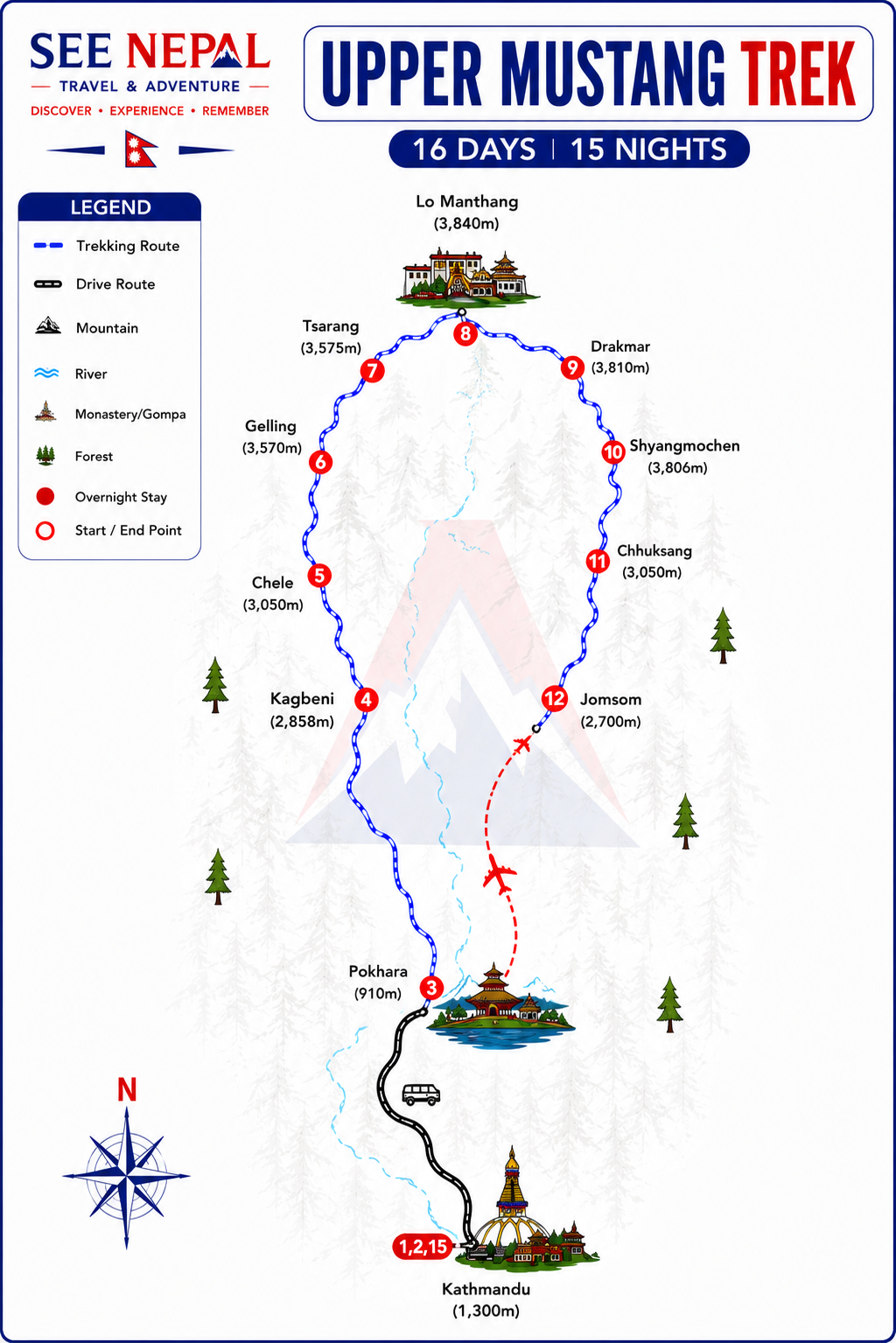
Trekking Map
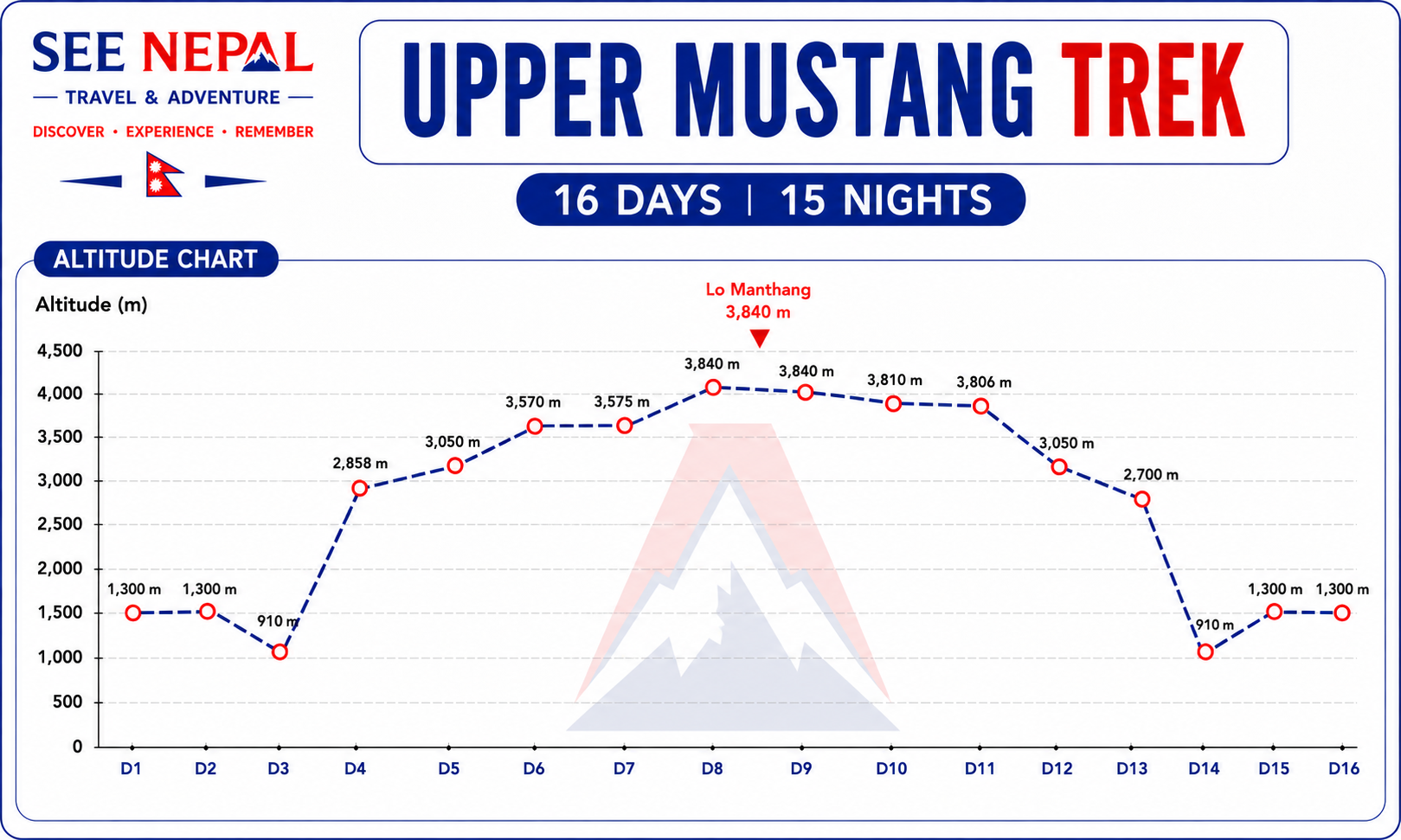
Altitude Profile
Inclusions & Exclusions
What's Included
Airport/Hotel/Airport drops and picks up
Hotel 4 nights in Kathmandu and 2 nights in Pokhara (Bed and breakfast)
Sightseeing in Kathmandu and Pokhara
3 times meal tea, coffee, and lodging during trek
Special Permit for Upper Mustang Restricted areas.
Other necessary Permits
Kathmandu to Pokhara by flight
Pokhara to Kagbeni by Jeep
Lo-manthang to Jomsom and Pokhara by jeep
Pokhara to Kathmandu by Tourist bus.
Other land transportation by Jeep or bus according to the itinerary.
Food, accommodation, salary, insurance for guide, Sherpa and Porters.
Luggage transportation manages by Jeep or porter as available.
First Aid Medical Kit box.
Office Service charge.
All Government Tax.
What's Excluded
Lunch and dinner in Kathmandu and Pokhara
Your travel insurance (compulsory)
International airfare
Nepal entry visa fee
Personal expenses such as alcoholic drinks, cold drinks, mineral water, etc.
Personal trekking equipment
Tips for trekking staff and driver etc.
Entry fee for monasteries, museums, Historical places, and caves
Unexpected expenses like rescue and health emergency evacuation, etc.
flight delayed or canceled due to the bad weather
Hire a horse during the trek in Mustang
All expenses which are not mentioned in the price include section.
Equipment List
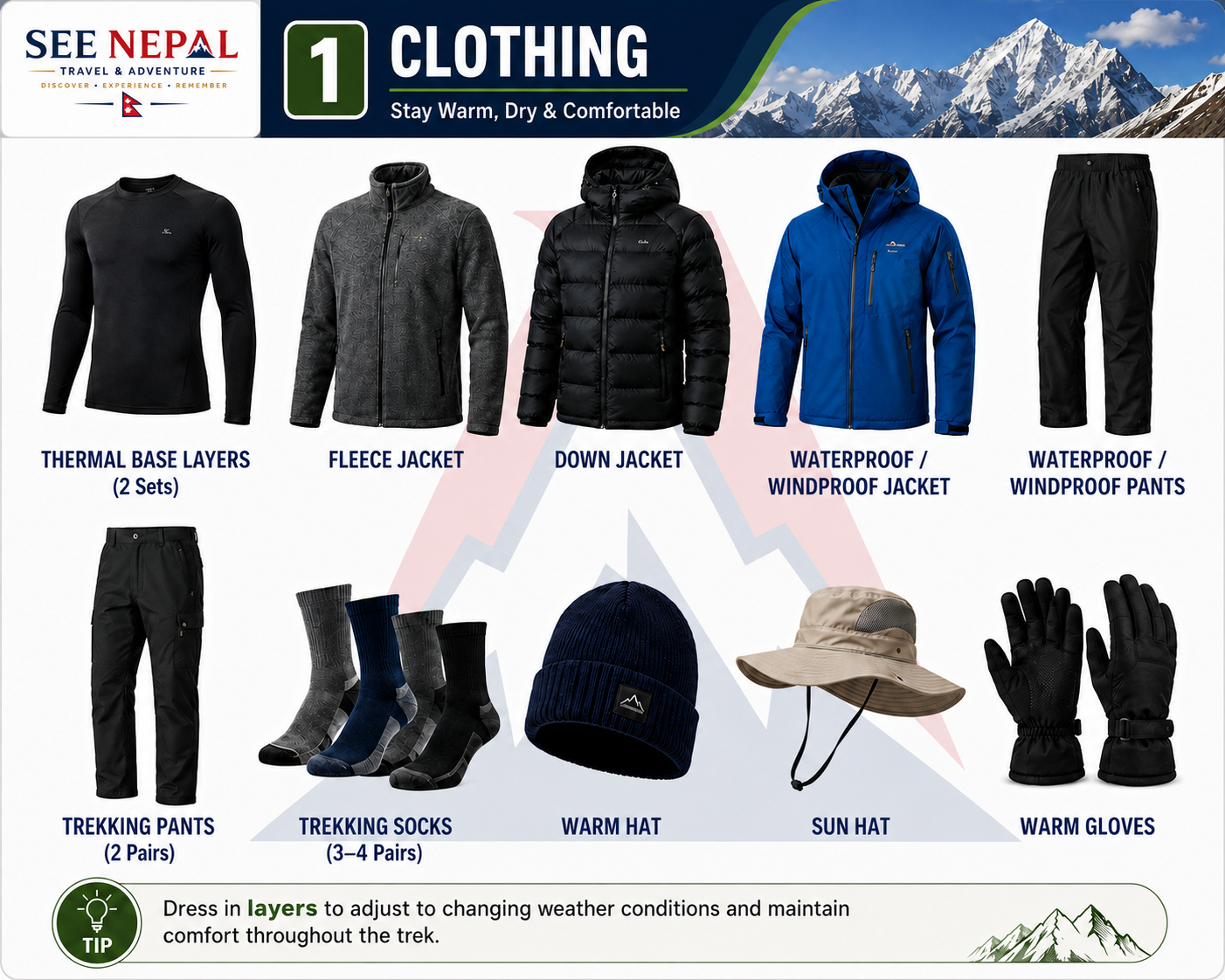
Clothing
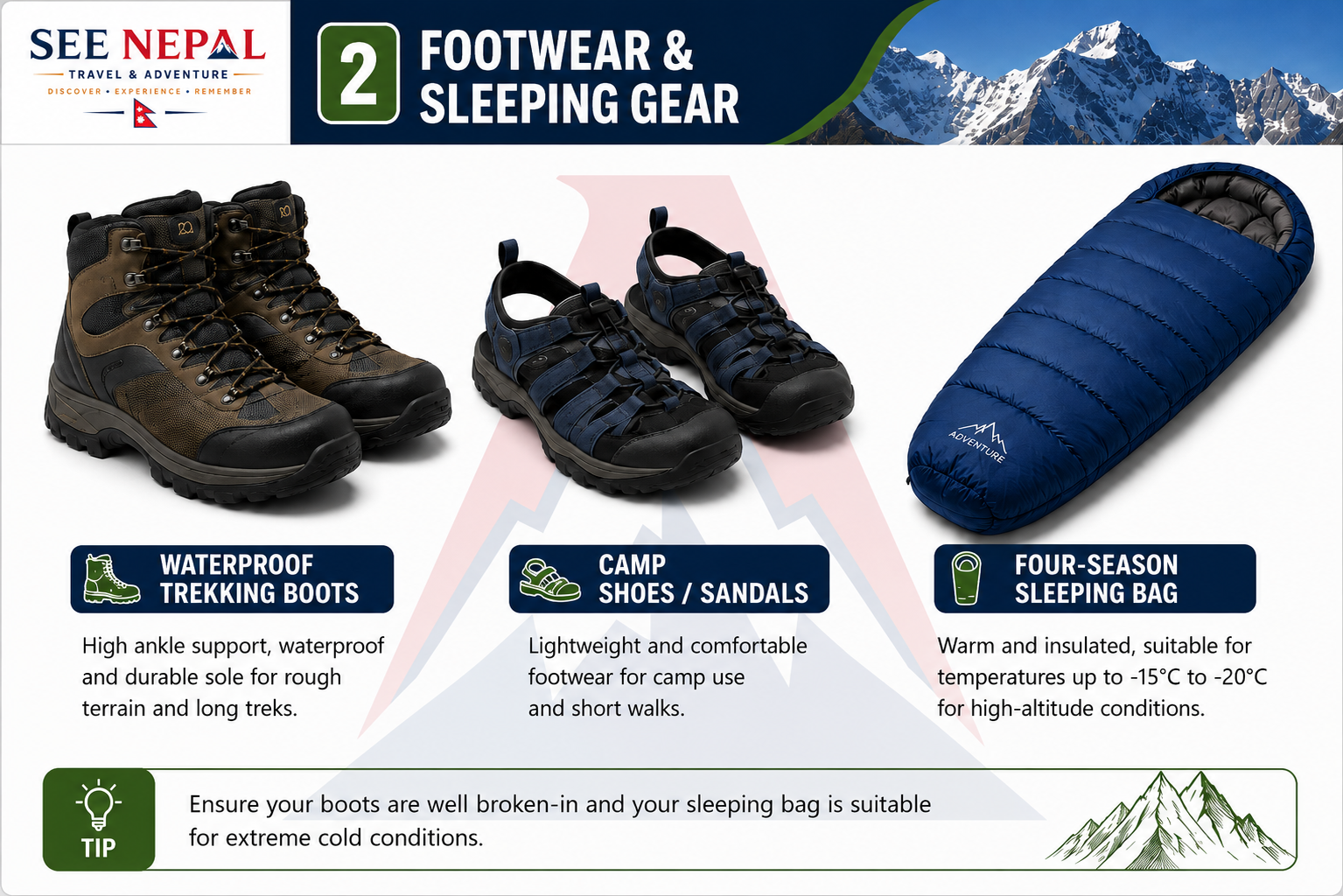
Footwear & Sleeping Gear
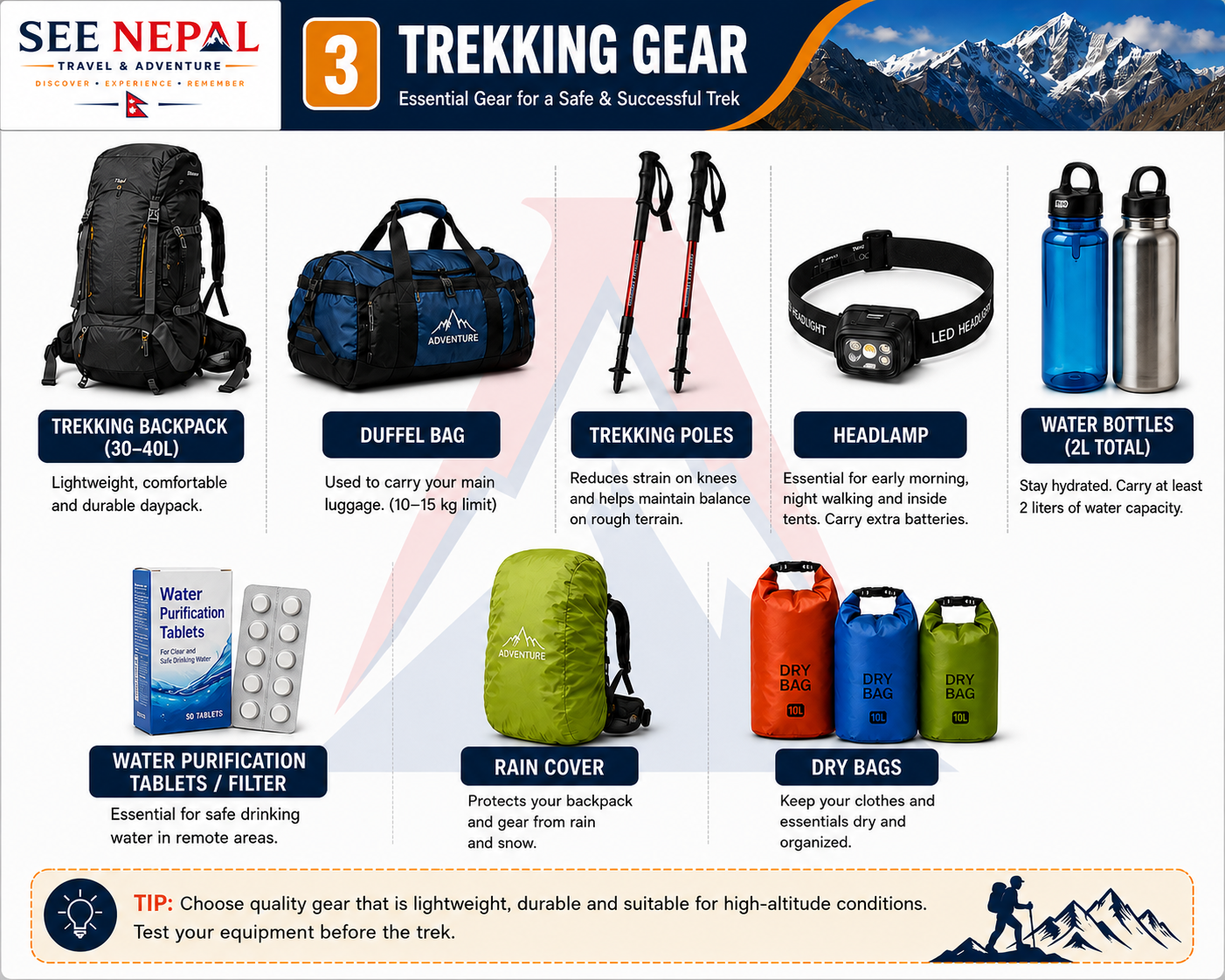
Trekking Gear
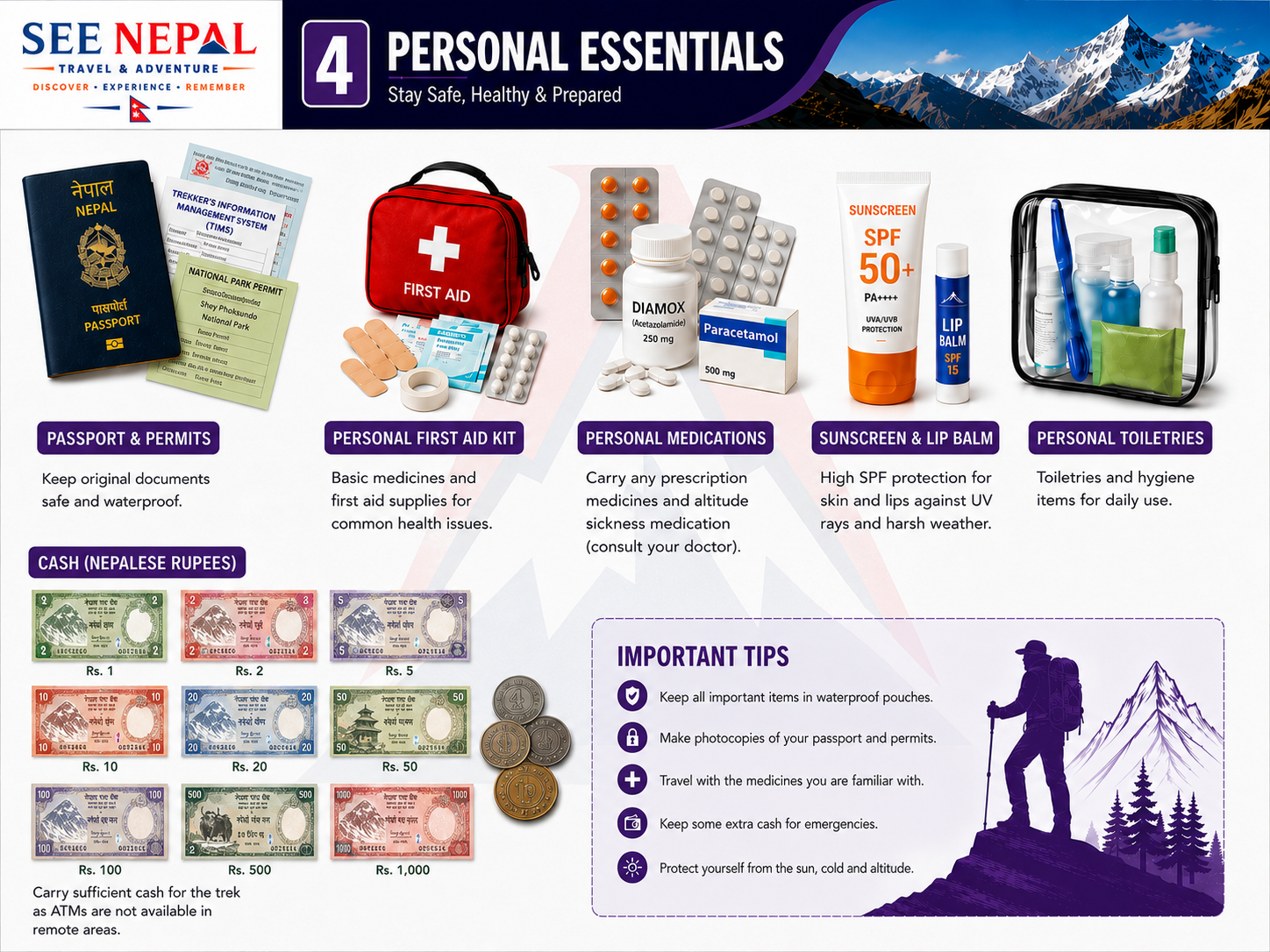
Personal Essentials
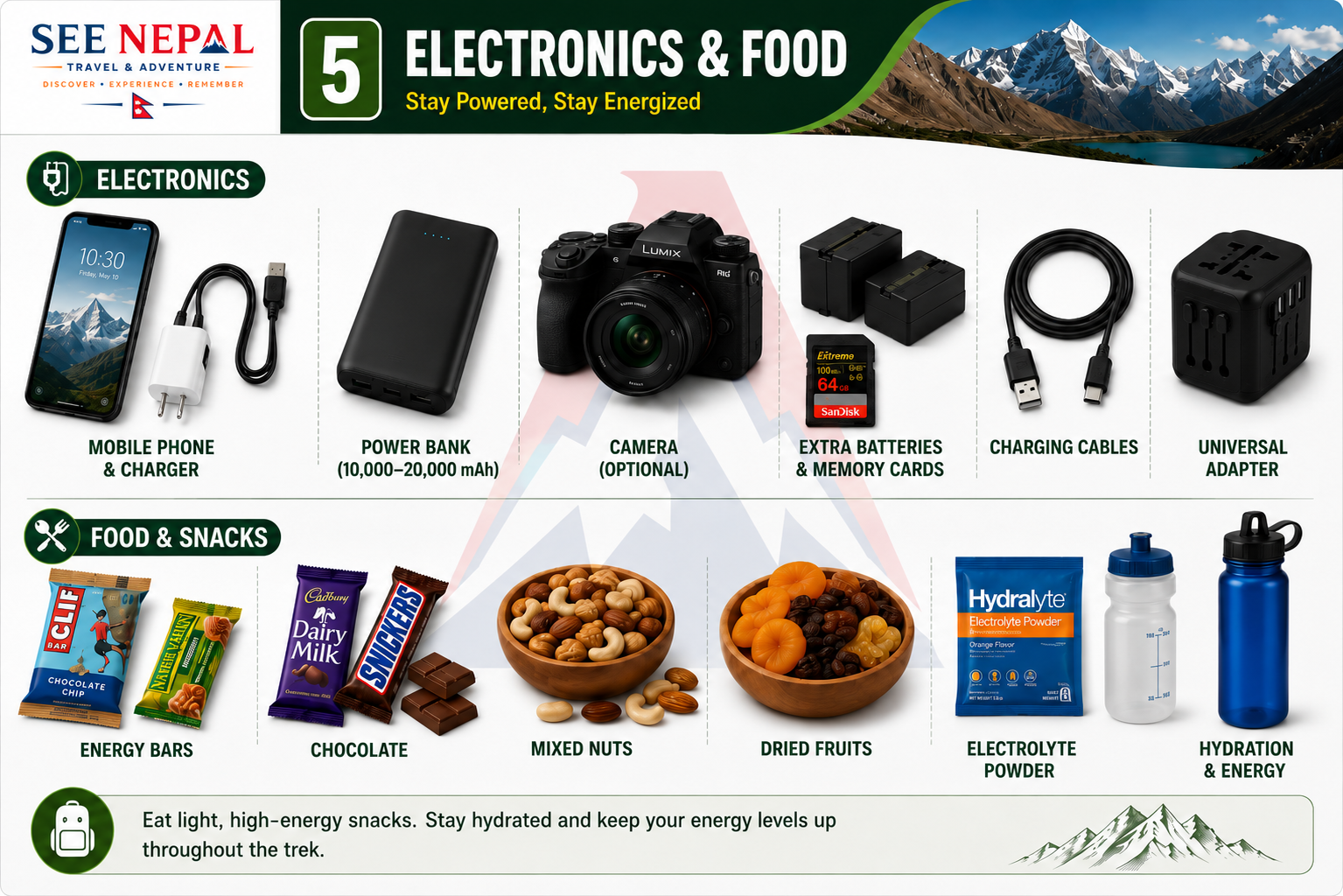
Electronics & Food
Frequently Asked Questions
The highest point of the Upper Mustang trek, including Yara, is around 4,300 meters, and the most trek is above 2,500 meters. While the altitude sickness is relatively low compare to other high-altitude treks in Nepal, still possible to get. So proper acclimatization is essential.
Upper Mustang is a restricted area to preserve its pristine Tibetan Buddhist culture and sensitive ecosystem. The unique permit system limits tourism, protecting the region's ancient traditions, archaeological sites, and fragile mountain environment from uncontrolled development and cultural erosion.
The Upper Mustang Trek with Yara usually takes 14-16 days, depending on the itinerary. This duration includes acclimatization, exploring Lo Manthang, and visiting Yara and Luri Gompa.
The best seasons for Upper Mustang trekking and Yara are spring and autumn. However, as the region lies in a rain-shadow area, it is also an excellent choice for summer trekking in Nepal. Winter is generally not recommended due to harsh weather conditions.
The Upper Mustang Trek via Yara is moderately challenging and may not be ideal for complete beginners. However, even first-time trekkers can do this with good fitness, determination, and proper preparation. Acclimatization days and guided support help make the trip manageable.
Yes, you need a special permit for the Upper Mustang Trek with Yara. Beside special permit, it requires an Annapurna Conservation Area Permit (ACAP), too. Only an authorized trekking agency can make the special permit
The Upper Mustang Trek plus Yara is moderately difficult. It is suitable for trekkers with good physical fitness and some experience. You'll encounter rugged terrain, high-altitude trails, and unpredictable mountain weather.
The highest point in the Upper Mustang Trek with Yara is Chogo La Pass, at 4,120 meters. This pass is crossed while trekking from Ghar Gompa to Lo Manthang.
Yes, travel insurance is essential for high-altitude treks like the Upper Mustang. It should cover injuries, accidents, theft, luggage loss, flight delays, cancellations, and helicopter evacuation. Ensure your policy includes explicit coverage for altitudes up to 4,500m.
Yes, a government license holder guide is mandatory for the Upper Mustang trek. As the region falls under restricted areas requiring special permits, guide is compulsory.